 What is MIPS? And Why is it Important When Choosing a Helmet?
What is MIPS? And Why is it Important When Choosing a Helmet?
Posted
by
Snowboards.com
on Wednesday, October 22, 2025
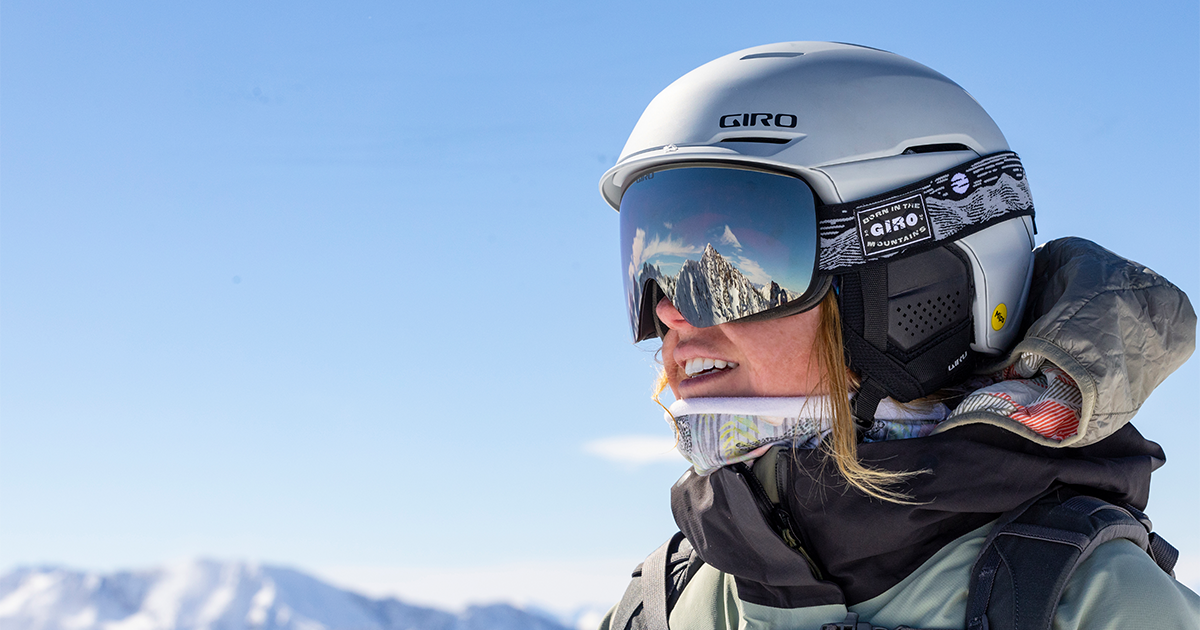
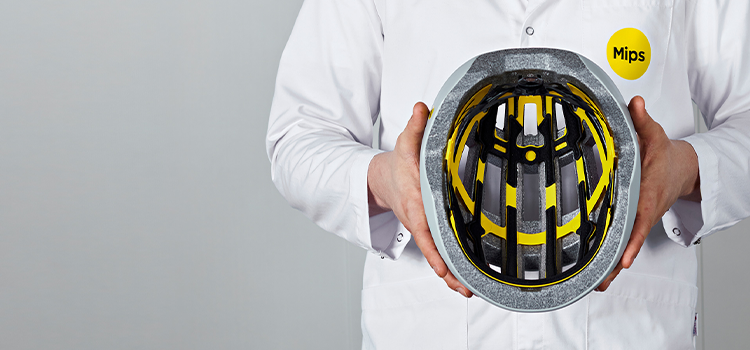
If you’re in search of your next snowboard helmet, you’ve probably come across the acronym Mips, but what does that mean? Mips stands for Multidirectional Impact Protection System. You can tell if a helmet has Mips by the name and if you see a small yellow MIPS circle on the back. It’s a safety technology in helmets to reduce the rotational forces your head could experience in a fall.
Mips technology was pioneered over 25 years ago by a neurosurgeon by the name of Hans Van Holst and scientist Peter Halldin of KTH Royal Institute of Technology. They found that most helmets on the market did not offer enough protection against brain damage. They found that most injuries related to falls were caused by rotational forces, not just blunt forces, and the brain is more sensitive to these rotational forces than straight impacts.
So they created Mips, a thin, low-friction layer that mimics the brain’s own protective system. In an impact, Mips allows the energy-absorbing layers of a helmet, or the padding, to move up to 10-15mm, taking on the rotational force rather than your head. Though no helmet is invincible and injury-free, helmets that have Mips or another safety technology on top of their protective foam layers offer superior protection than those that do not.
With trusted brands like Smith, Giro, Oakley, Pret, and Bern offering Mips-equipped helmets, it’s easy to find a helmet that fits your style and protects you on the mountain.
FAQs about Snowboard Helmets
Can I use any helmet for snowboarding?
You can find MIPS technology in all sorts of helmets, from biking, climbing, horse riding and more, but just because it has MIPS doesn’t mean it’s good for snowboarding. It’s important to get a helmet that’s specially designed for snow sports. They are specially engineered and tested to meet specific standards to ensure they can handle the types of impacts you get while skiing or snowboarding. Also, snowboard helmets usually have some sort of insulation and venting for temperature regulation in the cold, extra padding like in the ears to block out the wind, are designed to fit comfortably with goggles, and are made of materials that can withstand the cold. That being said, it’s important to get a helmet designed for skiing and snowboarding.
Is there a difference between ski and snowboard helmets?
In terms of functionality and safety standards, no, there’s not a difference between a ski and snowboard helmet. The difference comes down to style. Some snowboarders prefer more of a park look and choose a “bucket” style helmet with minimal fixed vents and removable ear pads. Ultimately, a helmet designed for skiing can be worn for snowboarding and vice versa. Choose your helmet based on whichever provides a proper fit, good safety technology, and matches your style.
How should a snowboard helmet fit?
A snowboard helmet should fit snug around your head. Most have an adjustment dial at the back to customize the fit. A properly fitting helmet should land around an inch above your eyebrows. When you try rocking the helmet back and forth and side to side, the helmet should be snug enough to wiggle your eyebrows up and down. If the helmet shifts independently of your head, it’s probably too big.
Try on your helmet with your goggles. There should be no gap between the top of your goggles and the rim of the helmet, and the helmet should not be pushing down on the goggles. Once you’ve got that down, tighten the chin strap so you have just one or two fingers between the strap and your chin. And avoid wearing anything bulky like hats or hair accessories under your helmet. That will make things more comfortable and ensure everything fits properly.
How often should a snowboard helmet be replaced?
A snowboard helmet should be replaced after any big fall or impact, even if there’s not any visible damage. It’s possible that your helmet had some internal damage or cracks that you can’t see from the outside. And any time you notice any visible damage, it’s a good idea to replace your snowboard helmet. If you haven’t had a significant impact or any visible damage, it’s a good rule of thumb to replace your snowboard helmet around the 5-year mark. Over time, materials can degrade - the plastic can become more brittle, the foam can compress, and the foam can start to break down, so it’s always a good idea to err on the side of caution.

Categories:
Buying Guide
|
Skills & Advice
Tagged: Helmet, How to Choose, Safety