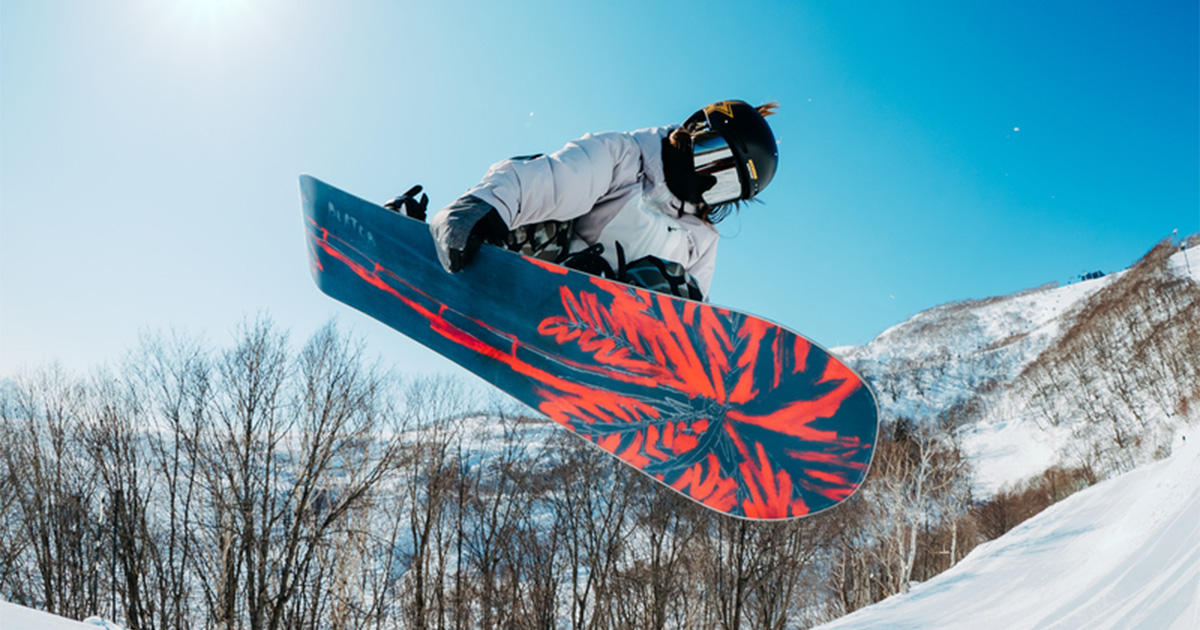
 How to Choose the Right Snowboard Size
How to Choose the Right Snowboard Size
Posted
by
Snowboards.com
on Tuesday, July 7, 2026
Choosing the right snowboard size is one of the most important decisions you'll make when buying a new board. A properly sized snowboard will feel stable, responsive, and easier to control, while the wrong size can make riding more difficult, even for experienced snowboarders.
Many riders still use the old "chin to nose" method, but most have now switched to a different method. Recommended snowboard sizes are based on a rider's weight and then fine-tuned based on your riding style, ability level, board construction, and boot size.
Here's everything you need to know to choose the right snowboard size.
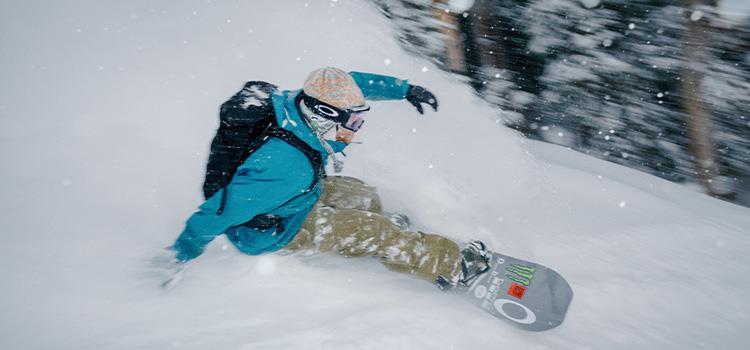
Rider’s Weight
The single biggest factor in choosing the right snowboard size is your weight. Every snowboard is designed with a specific rider weight range. That weight determines how the board flexes, which is crucial for edge control, turning, and stability while riding.
If a rider is too light for a snowboard, they won’t be able to flex the board enough. As a result, it will be difficult to initiate turns and feel less stable since there’s not enough force for proper edge hold. Overall, snowboarding will feel less responsive and more frustrating, especially when it comes to learning and progression.
If a rider is too heavy for a snowboard, they will also feel the lack of responsiveness and frustration, but for different reasons. A board that is too short or too soft will feel like it collapses under you because you’re able to bend and overflex it too easily. It will feel unstable at speed and feel sloppy when riding aggressively on steep terrain and firm conditions.
Most, if not all, boards have a recommended weight range and size chart for their boards to help you determine what size board is best for your weight. Not only does the recommended size chart take into account your weight, but it also considers the ability level it was designed for and the terrain it was intended to ride. Both play a significant role in how a board feels.
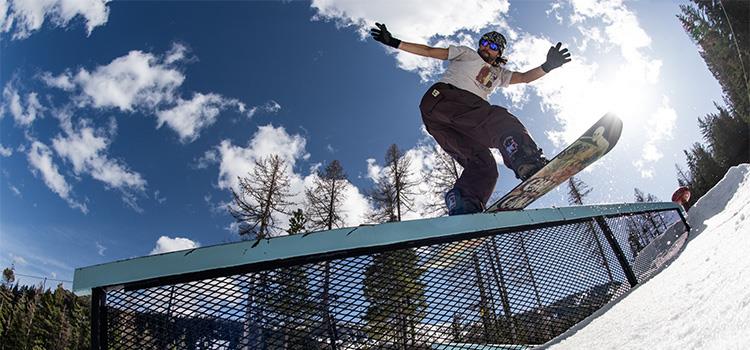
Ability Level
Once you’ve narrowed down your snowboard size range for your weight, you can fine-tune your size by looking at ability level.
Beginner: Beginner snowboards often benefit from a board that’s on the shorter end of their recommended size range and one that’s slightly softer in flex. As a result, the board will be easier to maneuver, meaning it is easier to turn and more forgiving of mistakes as you're learning. That goal here is to find a board that’s easy to learn on and build your confidence on snow before working on speed and steeper terrain.
Intermediate: Most intermediate riders should choose the manufacturer's recommended size. At this point, you'll likely be riding a variety of terrain and conditions, and the recommended size provides the best balance of maneuverability, edge hold, and stability as you begin picking up speed, ride steeper terrain, and explore different conditions.
Advanced: Experienced riders often prioritize stability and precision over forgiveness. If you're a strong rider who enjoys riding fast, carving aggressively, or charging steep terrain, you may prefer a slightly longer or stiffer snowboard. A longer board has a longer effective edge that provides better stability, improved edge hold, and more confidence at speed. A longer board is not required for advanced riders, it’s up to your personal preference and how you like to ride.
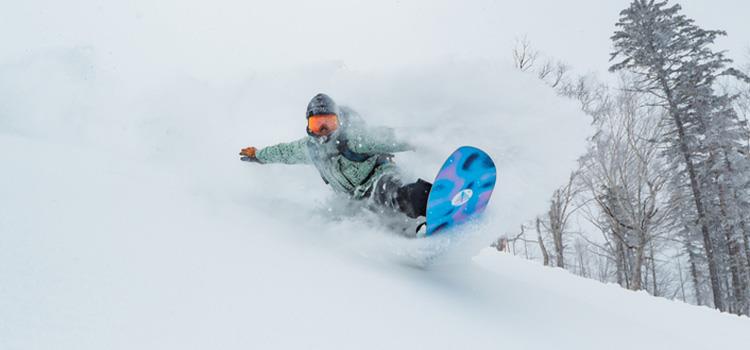
Riding Style and Terrain
Your riding style and where you like to ride is important to factor in when choosing your snowboard size. In most cases, the recommended size is the best choice since that's how the board is designed to perform its best, but some may choose to deviate slightly based on their personal preferences.
All-Mountain
Recommended size: All-mountain boards are for doing just that, jumping from groomers to steeps, tree runs, and off-piste runs, an all-mountain board is designed to do it all. When it comes to sizing all-mountain boards, most choose the manufacturer’s recommended size. This offers the best balance of stability, maneuverability, and float while remaining versatile.
Freeride and Big Mountain
Recommended size or slightly longer: For freeride and big-mountain riding, the primary focus is stability, especially at higher speeds and on steeper terrain. That’s why most choose the recommended size or slightly longer. Going 2 to 3 cm longer provides more confidence at higher speeds, more float in softer snow, and better edge hold on firmer conditions.
Powder
Recommended size or slightly longer: Dedicated powder boards are made to float in light, fresh snow. In this case, a slightly longer snowboard is helpful because its increased surface area helps the board stay on top of the snow rather than nose diving.
Freestyle and Park
Recommended or slightly shorter: Freestyle and park riders often lean towards boards at the shorter end of their recommended range. A slightly shorter board offers quicker edge-to-edge transition, easier spins and presses, and better maneuverability for hitting features for a more playful feel. If you focus more on big jumps and features, you may prefer to stay at the recommended size rather than go a bit shorter for added stability on takeoffs and landings.
Boot Size
The final thing to consider when choosing the right snowboard size is your boot size. Boot size helps determine board width. Your boot’s toe and heel should hang 1 to 2 centimeters off the edge of the board. Anything more than that can lead to toe and heel drag, which can trip you up on the snow. It’s especially dangerous when riding at higher speeds and on steeper terrain.
On the flip side, a board that is too wide where the boots don’t reach the edge can also be problematic since you’ll be unable to apply the right amount of pressure to the board’s edges. It makes it tough to initiate turns and makes the board feel less responsive.
Most size 10 (US Men’s) boots or smaller will work with a regular-width men’s board. If you have a US Men’s 11 or above, you should consider a wide board. Women’s boards are typically built narrower for women’s smaller feet. If you have a US women’s 9.5 or above, it’s usually best to look for a women’s-specific wide board or men’s regular width board.
When Should You Size Down?
Choosing a shorter size is often a better option if you:
- Are a beginner
- Prefer more casual, relaxed riding
- Want more maneuverability for easier turning and control
- Spend a lot of time in the terrain park
- Want a more playful snowboard
When Should You Size Up?
A slightly longer snowboard may be a better choice if you:
- Are an experienced rider
- Like to ride aggressively at higher speeds
- Ride a lot of powder and off-piste terrain
- Choose a board with more rocker
Men’s and Women’s Snowboard Size Guide
Most boards have a model-specific size chart to give you a more accurate size suggestion. It’s always best to look at model-specific size charts, but this chart is good for finding your general size range.
| Adult Snowboard Size Chart |
| Rider's Weight (lbs) |
Snowboard Size (cm) |
| <75-100 |
137-143 |
| 100-110 |
140-146 |
| 110-120 |
142-148 |
| 120-130 |
144-149 |
| 130-140 |
146-152 |
| 140-150 |
147-154 |
| 150-160 |
149-156 |
| 160-170 |
151-158 |
| 170-180 |
153-159 |
| 180-190 |
155-161 |
| 190-220 |
157-163 |
| 220+ |
160+ |
Youth Snowboard Size Chart
Kids grow fast, but it’s important to not size up too much. A board that’s too big is harder to turn and maneuver. As a result, it can slow down progression and hurt their confidence. Choose the right size board based on your child’s weight. A board that is slightly small is better than one that’s too big.
| Youth Snowboard Size Chart |
| Rider's Weight (lbs) |
Snowboard Size (cm) |
| <35 |
70-80 |
| 35-45 |
80-90 |
| 45-55 |
90-105 |
| 55-65 |
100-115 |
| 65-75 |
105-120 |
| 75-85 |
110-125 |
| 85-95 |
120-135 |
| 95-105 |
130-145 |
| 105-115 |
135-150 |
Categories:
Buying Guide
Tagged: Beginner Tips, How to Choose, Snowboard Setup