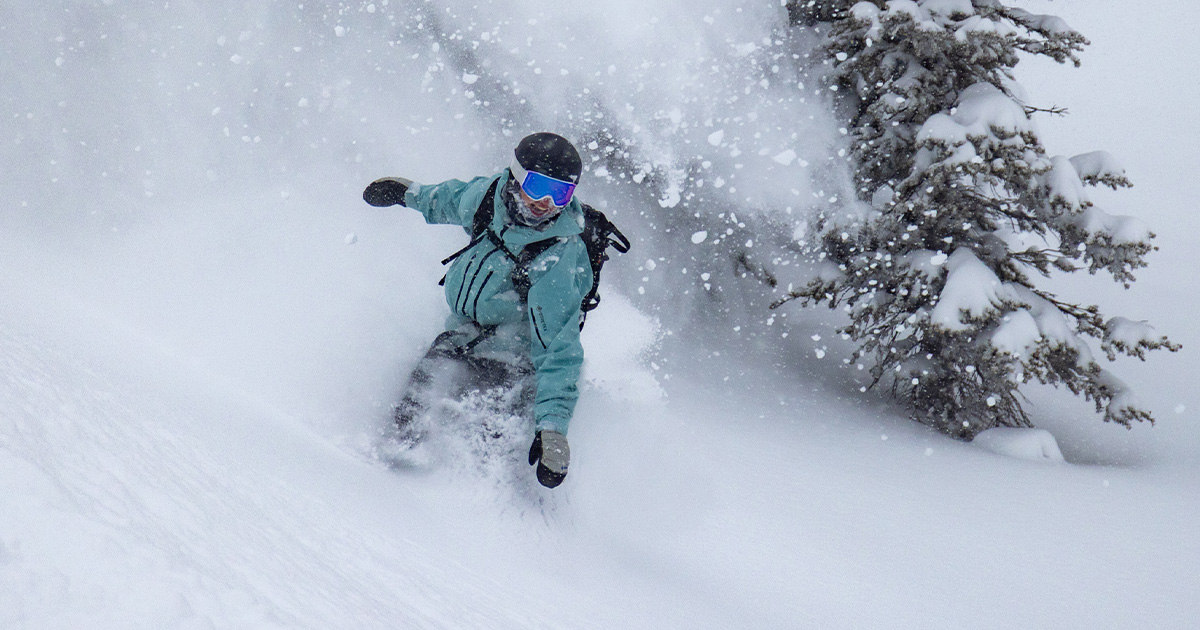
 What to Wear Snowboarding: The Complete Layering Guide
What to Wear Snowboarding: The Complete Layering Guide
Posted
by
Bianca Chang
on Monday, August 17, 2026
Snowboarding is a little different than skiing, and what you wear should reflect that. You're going to spend more time sitting on the snow, kneeling while strapping in, and, especially if you're learning… falling. Staying warm is important, but staying dry is even more critical.
The key to dressing for a day on the mountain is layering. With a solid layering system, you’ll be able to regulate your temp throughout the day while keeping moisture away from your body. Whether it's your first day riding or your hundredth, here's everything you need to wear snowboarding.
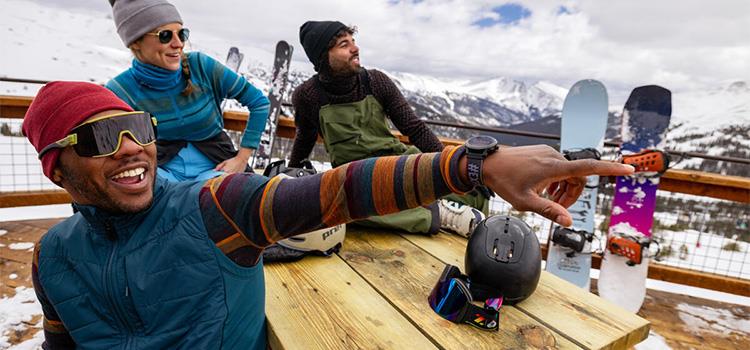
1. Your Foundation: Base Layer
Your base layer is the foundation of your entire setup. It helps with warmth, but its main goal is keeping you dry by pulling sweat and moisture away from your skin.
When choosing your base layer, look for moisture-wicking fabrics like merino wool or synthetic blends. Merino wool is the gold standard for winter base layers. It’s a natural temperature regulator, moisture-wicking, insulated when wet, and doesn’t hold onto odor like other materials. Synthetic base layers are also a solid lightweight option that is quick-drying, durable, and typically more affordable than merino wool. Ultimately, we’re looking to avoid cotton at all costs. Cotton absorbs moisture and takes longer to dry, keeping you cold in chillier temps.
You’ll want a base layer top and bottom, and it should fit close to your body without feeling restrictive. A snug fit allows the fabric to efficiently move moisture away from your skin, keeping you dry all day.
2. Mid Layer for Warmth
Not every day requires a mid layer, but when the temps drop, it provides the warmth you need. There are a lot of options when it comes to choosing a mid layer, and the nice thing is, it can be a super versatile piece used on and off the mountain.
Mid layers include fleece jackets, hoodies, a puffy jacket, or an insulated vest. Really anything that holds a little more warmth.
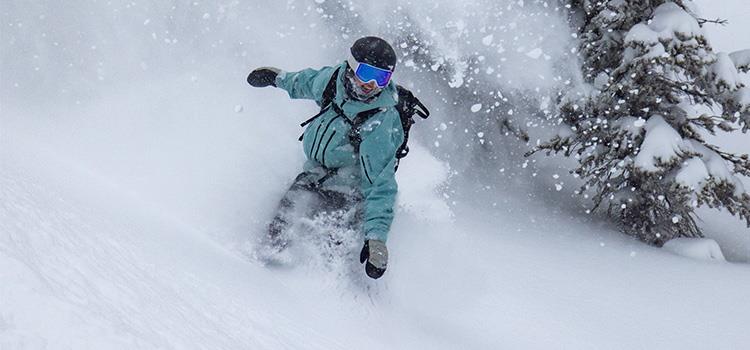
3. A Waterproof Outer Layer
Your outer layer protects you from snow, wind, and the cold. For snowboarders, a waterproof jacket and waterproof pants are the priority since you’ll spend a lot of time sitting in the snow while strapping in, stopping, waiting, and from taking a fall.
We suggest a waterproof rating of at least 10K for snowboarding, which offers solid protection for most riders and conditions.
Insulated vs Shell Outer Wear
When choosing your outer layers, you have the option of insulated or shells.
Insulated jackets and pants provide you with extra warmth without all the layering. It feels less bulky and is a good option if you consistently ride in a cold climate or get cold easily.
Shell jackets and pants have no insulation. Some might have an inner liner that provides a little warmth, but for the most part it’s just the shell. Shells are a bit more flexible since it’s easy to adjust your layering depending on the weather, making shells a good choice for those who travel or if you ride where conditions are consistently changing.
Snowboard Jackets
Just because a jacket is labeled “ski jacket” doesn’t mean you can’t wear it snowboarding, but there are some distinct features of snowboard-specific jackets that come in handy. For example, snowboard jackets tend to be a little longer, which gives a bit more warmth and protection when reaching down to adjust your bindings or sitting in the snow.
Other snowboard jacket features to look for:
- An internal powder skirt to keep snow and wind out
- Pass pocket for your lift pass on the arm or shoulder
- Additional pockets for storage
- Underarm vents to quickly dump heat
- Waterproof zippers to keep you and your belongings dry
Snowboard Pants or Bibs
When it comes to choosing snowboarding pants, you have the option of pants or bibs. Pants are traditionally easier and more convenient, making them a popular choice.
Snowboarding bibs have become increasingly popular among snowboarders since they provide extra protection from snow and cold going up your jacket, add warmth around your core, have more pockets and storage, and offer better coverage while sitting and kneeling in the snow.
Snowboard pant and bib features to look for:
- An adjustable waist or belt loops to dial in the fit
- Vents to let out heat
- Pockets for storage
- Added durability in high wear areas like the seat, knees, and bottom of the pant legs
- For bibs, a drop seat is super convenient for bathroom breaks
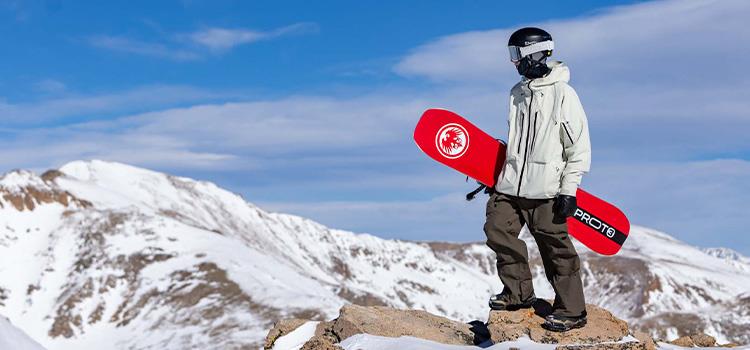
4. Snowboard Accessories
There's more to your snowboard outfit than just your jacket and pants. The right accessories play a huge role in keeping your hands, feet, head, and face warm, dry, and comfortable, often making the difference between riding all day and calling it quits early.
Snowboard Socks
Your socks are essentially an extension of your base layers. Just like your base layers, you’ll want to avoid cotton socks since they’ll trap moisture and get cold quickly.
Instead, choose snowboard-specific ski socks made of merino wool or synthetic moisture-wicking materials. What makes snowboard socks unique is that they come up high, over the calf, to fit comfortably in your snowboard boots and have added cushion in high-pressure areas like your shins and heel. You can also find different thicknesses, like lightweight to heavyweight, depending on how much warmth you need. And a single good pair of snowboard socks is all you need. Wearing multiple pairs of socks usually makes your snowboard boots fit tighter, restrict circulation, and actually make your feet feel colder instead of warmer.
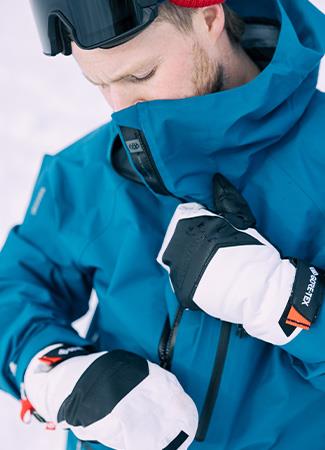
Gloves or Mittens?
A common debate, especially among snowboarders, is choosing between gloves and mittens. Mittens provide extra warmth while gloves provide better dexterity, which many snowboarders appreciate. But ultimately it’s up to personal preference. Whether it’s gloves or mittens, you’ll want something that's going to keep you warm and, most importantly, dry.
Gloves and mittens come with two options: over the cuff or under the cuff. Over the cuff gloves and mittens go over your jacket sleeves. They provide more warmth and protection from the snow and wind, but they can sometimes feel a bit bulky. The other option is under the cuff gloves and mittens, which fit seamlessly under your jacket sleeve.
When choosing your next glove or mitten, look for extra features like a wrist leash. They keep you from dropping a glove off the chairlift when checking your phone or reaching into a pocket. Another great feature is a handwarmer pocket to perfectly stash a handwarmer on cold days or a convenient place to put your lift pass.
In terms of fit, aim for about a ¼ inch of space at the fingertips. Too much room allows cold air inside and feels a bit bulky. Too little room doesn’t allow enough space for warm air to circulate and feels restrictive.
Helmet
The most important item that you wear snowboarding is your helmet. Whether you unexpectedly catch an edge, collide with another rider, or just fall learning a new trick, a properly fitted helmet provides protection as well as warmth.
When looking for your next snowboard helmet, look for added safety tech like MIPS or AMID for more protection in a fall. Also, it’s helpful if helmets have an adjustable dial to tune the fit. Vents are useful for temperature regulation, and it’s even better if they open and close, so you adjust your temp throughout the day. A newer feature appearing on helmets is Fidlock magnetic buckles. It’s a magnetic closure that makes it easy to operate with gloves and mittens still on. Not necessary, but definitely a helpful feature to have.
With whatever helmet you choose, avoid wearing bulky knit hats or fleece under your helmet that can compromise fit. Instead opt for a thin balaclava that fits under your helmet or a hood that goes outside of your helmet so it doesn’t affect the fit.
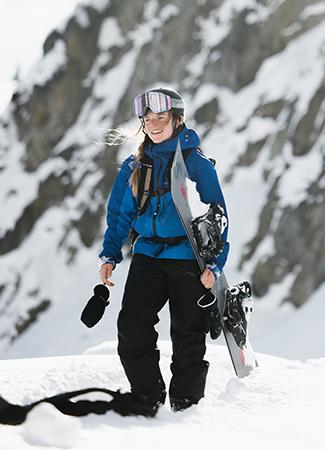
Goggles
Snow goggles not only improve visibility, but they also protect your eyes from wind, snow, glare, and UV rays. There are a ton of different lens colors to choose from depending on the conditions you’ll use them in.
All-Conditions: A versatile lens that performs well in sunny to cloudy conditions. They’re a ton of different color options like blue, red, green, and bronze. They’re a great choice if you plan on getting one goggle to use everywhere.
Bright Sun: Bright sun lenses are usually a bit darker, often black, grey, or gold to block out the most light and reduce glare on super sunny days. They’re popular in higher altitude areas, when riding above the treeline, and if you’re lucky enough to get mostly bluebird days. They can be challenging to see through when navigating shaded tree runs or overcast and snowy conditions.
Cloudy: Lighter tints like yellow, amber, and rose improve contrast and help terrain stand out in flat light, like when it’s cloudy, foggy, overcast, and snowing.
Low-Light: Clear and lightly tinted lenses are perfect for night riding and low-light conditions when you need protection from the wind and cold with max visibility.
Some goggles come with two lenses, one for brighter light and the other for lower light conditions, but if you want one lens that can do it all, look for photochromic. Photochromic lenses automatically adjust depending on the light conditions. They’re more expensive than other lenses but eliminate the need to carry multiple lenses and the hassle of swapping out lenses throughout the day.
Goggle Fit
Your snowboard goggles should fit comfortably on your face and with your helmet. A good fitting goggle should fit comfortably without too much pressure on your nose and cheeks. They should seal around your face without any gaps that could let light and cold air in. And your goggles should fit comfortably with your helmets without a gap exposing your forehead.
When choosing goggles, there are primarily two goggle shapes to choose from: spherical and cylindrical. Spherical goggles have a curved shape, similar to a bubble. They provide a slightly wider field of view and reduced lens distortion. Cylindrical goggles have a flatter profile and remain popular thanks to their classic look and price point. Both perform well, so your decision mostly comes down to personal preference.
Neck Gaiters, Balaclavas, and Hoods
Protecting exposed skin from the wind and cold can make a huge difference on chilly days.
Neck Gaiter
A neck gaiter or neck tube is a simple solution for keeping the chill off your neck and chin. A thin, stretchy neck tube is versatile since it can be worn a few different ways and works well in most conditions. If you tend to run cold or it’s a particularly chilly day, a fleece neck gaiter will provide extra warmth.
Balaclava
A thin balaclava mask covers your head, neck, ears, and cheeks while fitting comfortably under your helmet. A good choice if you don’t want to worry about a neck gaiter falling down and want a more seamless option.
Helmet Hood
An oversized hood worn over your helmet provides maximum warmth and wind protection on brutally cold days. They trap a ton of heat, but some can reduce your peripheral vision slightly.
The best snowboard outfit isn’t just about what’s warmest, it’s the one that keeps you dry, comfortable, and can adapt throughout the day. Start with a moisture-wicking base layer, add insulation only when you need it, and finish with waterproof outerwear that's built for the unique demands of snowboarding.
Because snowboarders spend more time sitting, kneeling, and interacting with the snow than skiers, investing in quality waterproof pants or bibs can make one of the biggest differences in your comfort. Pair them with warm gloves, a properly fitted helmet, and goggles matched to the day's conditions, and you'll be ready for everything from your first lesson to a full day of riding powder.
Categories:
Snowboard Outerwear & Clothing
Tagged: How To, Layering, Clothing